

cropper
Spotlight On Your Success
  • Home
  • Categories
    • The Business Builder's Studio
    • The Wealth & Mindset Penthouse
    • The Wellness Lifestyle Lounge
  • In The Spotlight
  • Success Stories
November 09.2025
5 Minutes Read

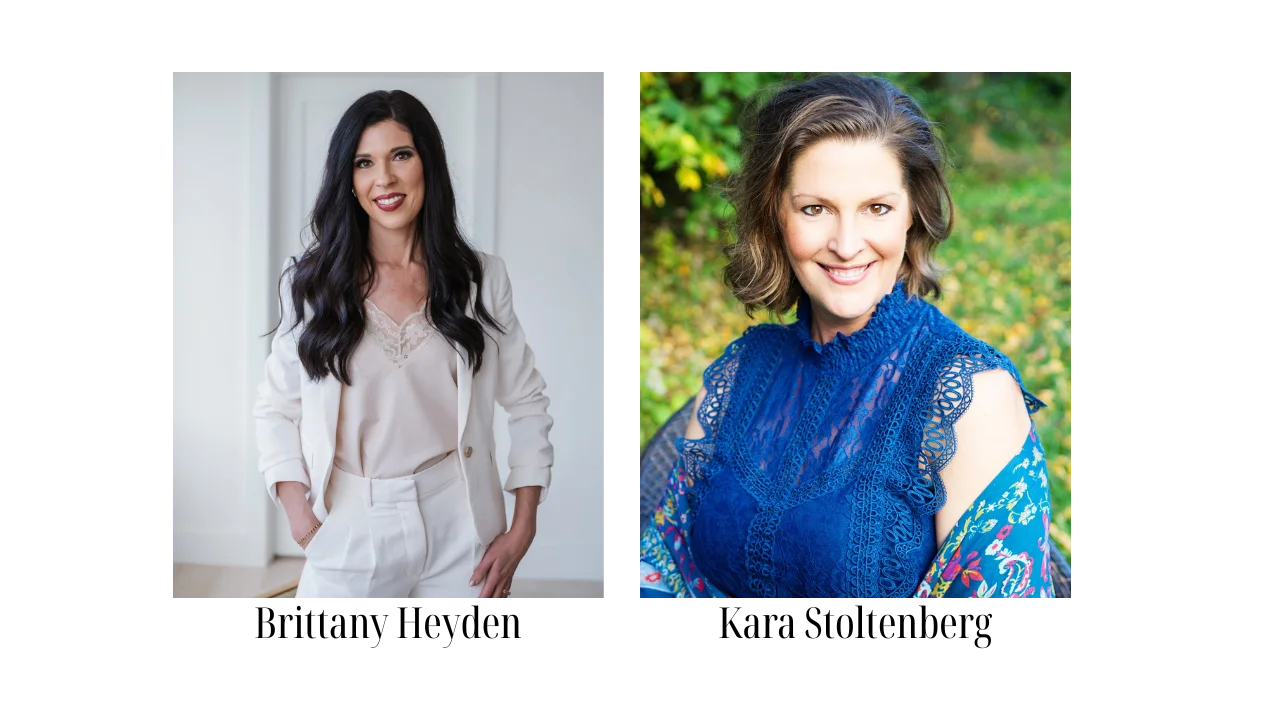
Brittany Heyden & Kara Stoltenberg: The New Era of Women’s Wellness: Integrating Functional Medicine, Nervous System Healing & Lifestyle

Nearly 70% of women feel unseen or unheard in conventional healthcare.
Holistic healing offers a new path — one that honors the body, mind, and emotions as deeply interconnected.

In today’s world, women are leading at higher levels than ever — yet often doing so from a place of depletion. Between the pressures of performance, caregiving, and constant connection, symptoms like fatigue, anxiety, and hormonal imbalance have become normalized. Holistic healing challenges that narrative by helping women reclaim energy, confidence, and balance through a personalized, integrative approach.

This is the foundation of the work led by Brittany Heyden, Nurse Practitioner and creator of The Vital Clarity Experience, and Kara Stoltenberg, Spiritual Mentor and Life Coach. Together, they’ve redefined women’s wellness through a model that blends functional medicine, emotional healing, and lifestyle alignment — helping women restore vitality from the inside out.

Brittany Heyden functional medicine compassionate healthcare provider in soothing clinic environment

Understanding Holistic Healing for Women

Holistic healing views the woman as a whole — addressing root causes rather than chasing symptoms. It considers hormonal shifts, chronic stress, trauma, and environmental factors as interwoven influences on health.

For women balancing careers, families, and high-performance lives, this approach provides something conventional medicine often overlooks: context.

As Brittany explains, “Without addressing emotional and lifestyle influences, health treatments are incomplete. True healing begins when we see the full picture — biology, behavior, and belief.”

Empowered woman confident on her wellness journey with Brittany Heyden functional medicine

Functional Medicine: The Science of Root-Cause Healing

Functional medicine is a data-driven, personalized approach that explores how genetics, environment, and lifestyle interact to shape health.

Brittany’s work includes advanced functional lab testing to reveal what’s really behind persistent fatigue, hormonal chaos, and brain fog. “Functional medicine isn’t just about supplements,” she shares. “It’s about designing a lifestyle that aligns with your biology — from how you eat and move to how you manage stress and rest.”

Unlike conventional models that rely on generalized protocols, functional medicine empowers women to understand the why behind their symptoms. By identifying unique patterns in labs and lifestyle, Brittany helps women translate complex data into clear, actionable steps.
“When women understand their own physiology,” she says, “they stop outsourcing their health decisions — and start leading from clarity.”

This approach restores not only physical function but also self-trust — the foundation for true vitality. The result is sustainable transformation: balanced hormones, improved digestion, and renewed energy.

Mindful woman improving emotional health with Brittany Heyden functional medicine

Emotional Health: The Missing Link in Women’s Wellness

Emotional health is often the quiet driver behind physical imbalance. Chronic stress and unresolved trauma keep the nervous system in fight-or-flight — blocking the body’s ability to heal.

Kara Stoltenberg helps women reconnect with their emotional selves through nervous system regulation, inner child work, and self-compassion.
“When you give yourself permission to feel and be compassionate with your humanity, your nervous system can relax and healing can begin,” Kara explains.

Together, Brittany and Kara integrate emotional healing into every stage of care — ensuring women don’t just get well but feel calm, confident, and whole.

Emotional wellness isn’t a luxury — it’s biology. When stress hormones stay elevated, they disrupt digestion, sleep, and hormone balance. That’s why nervous system regulation is at the core of every program. Through breathwork, mindfulness, and gentle self-inquiry, women learn to shift from survival to restoration. As Kara puts it, “You can’t heal a body you’re at war with.”

Woman preparing healthy meal aligned with Brittany Heyden functional medicine lifestyle integration

Lifestyle Integration: Aligning Daily Habits with Healing

Healing doesn’t happen only in a clinic — it’s created in the rhythm of daily life.
That’s why their programs emphasize sustainable lifestyle design: nutrition, restorative movement, emotional boundaries, and intentional rest.

“Our work inside The Vital Clarity Experience helps women create lives that support their energy, not drain it,” Brittany shares. “We design routines that fill your cup — so you can give to others without burning out.”

Kara and Brittany also emphasize that community plays a key role in healing. “So many women believe they have to do it all alone,” Brittany says. “But connection — real, supportive connection — regulates the nervous system faster than any supplement.” Their programs include a community element that fosters accountability, belonging, and shared growth.

This integration helps women move from survival to sustainability — thriving in every area of life.

Supportive women

Mindset, Growth & Authenticity

Healing and leadership both require courage — and imperfection.
As Brittany reflects, “I used to think I had to be perfect to be respected, but the truth is, people connect most with what’s real. Learning to move beyond perfection and let others see my authentic self has been the most liberating part of this work.”

Both women emphasize resilience, self-compassion, and curiosity as essential tools for transformation.
“You have to believe with all your heart in yourself and strive to be the most exquisite version of yourself in all shapes and forms,” Brittany says.

Motivated woman journaling to build resilience with Brittany Heyden functional medicine

Key Takeaways

  • Healing happens when functional medicine, emotional health, and lifestyle align.

  • Addressing root causes leads to lasting energy, clarity, and hormonal balance.

  • Emotional regulation and self-compassion are foundations for true healing.

  • Sustainable wellness requires boundaries, balance, and daily rituals that replenish energy.

  • Authenticity and imperfection open the door to genuine transformation.

Frequently Asked Questions

What is holistic healing for women?
A comprehensive approach that integrates body, mind, and lifestyle — addressing the root causes of imbalance to create lasting wellness.

How does functional medicine support women’s health?
It identifies and corrects underlying dysfunctions such as hormonal imbalance, gut issues, and inflammation through advanced lab testing and lifestyle intervention.

Why is emotional health important in healing?
Because the nervous system regulates every aspect of physical wellness — calm the mind, and the body can finally repair.

What lifestyle changes make the biggest difference?
Restorative sleep, nourishing food, emotional boundaries, and mindful routines that honor your body’s natural rhythm.

Final Thoughts

Healing isn’t about perfection — it’s about returning to your true rhythm.
The journey to holistic health begins with awareness and unfolds through intentional action. Whether it’s refining nutrition, balancing hormones, or learning to listen to your body’s signals, the process is both scientific and sacred.

“You have to believe with all your heart in yourself and strive to be the most exquisite version of yourself in all shapes and forms,” Brittany reminds us.
Healing isn’t linear — but when women are supported with both data and compassion, transformation is inevitable.

When science meets soul, and women are seen as whole, extraordinary transformation happens.

To learn more about The Vital Clarity Experience, visit brittanyheyden.com.
In The Spotlight

225 Views

0 Comments

Write A Comment

*
*
Please complete the captcha to submit your comment.
Related Posts All Posts
11.21.2026

The Science and Psychology Behind Self-Empowerment Coaching for Women Leaders

In today’s fast-paced world, women leaders face myriad challenges—from external noise and overwhelming expectations to internal doubts and limiting beliefs. Understanding the self empowerment coaching science behind mindset transformation can be the key to unlocking authentic leadership confidence and sustainable growth. This article delves into the psychological and neuroscientific principles that empower women leaders to reclaim their voice and accelerate their impact. Understanding Self Empowerment Coaching Science: Foundations and Importance Defining Self Empowerment Coaching and Its Role in Leadership Development Self empowerment coaching is a transformative process that helps women leaders reframe limiting beliefs, cultivate positive self-talk, and align their actions with authentic purpose. Unlike traditional coaching focused purely on external skills, this approach merges neuroscience and psychology to address the internal narratives shaping leadership outcomes. Empowerment coaching supports leaders in identifying and dismantling subconscious patterns that hinder growth—such as perfectionism, procrastination, and people-pleasing. By focusing on mindset shifts, these coaching methods foster resilience, clarity, and bold decision-making that align personal values with professional roles. Ly Smith of Upcycle Coaching underscores the vital role this method plays: “Transformation doesn’t just happen by wishful thinking; it comes from claiming your unique greatness and acting from that place every single day. ” Why Self Empowerment Coaching Science Matters for Women Leaders Today Women executives are uniquely positioned at the crossroads of professional responsibility and personal expectation, often battling invisible barriers that hold them back from reaching their full potential. The self empowerment coaching science provides evidence-based strategies to overcome these barriers by rewiring the brain and reshaping self-perception. Emerging research emphasizes the reticular activating system’s pivotal role in filtering experiences and shaping focus, meaning what leaders consistently attend to will manifest in their realities. Coaching practices that harness this neuroscience principle help women redirect attention from limitation toward opportunity. This tactical shift is vital in today’s noisy, distraction-heavy environments—allowing women leaders to reconnect with their authentic purpose and drive lasting change in their organizations. The Neuroscience of Empowerment Coaching: How the Brain Shapes Leadership Confidence The Reticular Activating System: Filtering Attention to Align with Leadership Goals The brain’s reticular activating system (RAS) acts as a gatekeeper, filtering millions of sensory inputs daily to focus on what aligns with our beliefs and intentions. In the context of empowerment coaching, this means that by consciously training attention on empowering thoughts and goals, women leaders can influence how their brains prioritize information and opportunities. Ly Smith explains, “What you train your brain to see, you receive. ” If a leader’s internal dialogue centers on limitations, their day-to-day reality reflects that. Conversely, directing attention to success-oriented language and visions of the future unlocks pathways for growth and meaningful results. Understanding and applying this neurological mechanism is foundational to the science behind self empowerment coaching. The Role of Intention and Focus in Rewiring Limiting Beliefs Intentionality is the activating force behind neuroplasticity—the brain’s capacity to reorganize itself by forming new neural connections. Self empowerment coaching leverages this principle by encouraging women leaders to set purposeful intentions that dismantle entrenched limiting beliefs and reinforce positive mental models. This practice involves persistent focus on affirmations anchored in a woman’s future successful self, creating a psychological blueprint for behavior change. Such alignment between intention and attention nurtures confidence through actionable mindset shifts rather than superficial motivation. As Ly Smith highlights, “Aligning your self-talk, daily rituals, and energy toward your vision isn’t wishful thinking—it’s preparing your mind to be open to opportunities already waiting for you. ” For women leaders interested in the practicalities of privacy and ethical considerations within coaching relationships, it's helpful to review the privacy policy and professional standards that guide responsible coaching practices. This ensures a foundation of trust and confidentiality as you embark on your empowerment journey. Empowerment Coaching Techniques: Practical Applications of Psychology and Neuroscience Using Powerful Questions to Unlock Personal Development and Overcome Limiting Beliefs A cornerstone of effective empowerment coaching is the use of powerful, reflective questions tailored to help women leaders challenge their internal narratives and discover new perspectives. These questions promote self-awareness, a critical first step in interrupting automatic negative thought patterns and reframing limiting beliefs. Through guided exploration, leaders identify key mental barriers—such as imposter syndrome or perfectionism—that impede progress. This psychological work lays the groundwork for sustainable transformation by fostering intentional self-dialogue aligned with authentic leadership identity and aspirations. Life Coaching Strategies That Enhance Nervous System Regulation and Emotional Resilience Empowerment coaching extends beyond cognition to integrate somatic practices that regulate the nervous system, thereby building emotional resilience. Breathing techniques, mindfulness rituals, and daily affirmations anchored in future successful selves reinforce neural pathways supportive of calm, confident leadership presence. Research links nervous system regulation to improved decision-making and stress management—essential competencies for women in executive roles navigating complex challenges. Coaches like Ly Smith incorporate these strategies alongside mindset work to deliver holistic approaches that sustain empowerment and professional effectiveness. The Confidence-Competence Loop: Building Skills to Fuel Leadership Confidence How Gaining Competence Drives Confidence in Women Executives The confidence competence loop is a dynamic cycle in which developing new skills boosts confidence, which in turn encourages the pursuit of further competence. In women executives, this loop is especially critical, as it combats common tendencies toward self-doubt and hesitation. Ly Smith’s coaching philosophy embraces this loop by helping leaders take incremental, focused action steps that build mastery. “Wherever your starting point is, we can move that forward,” she states. As women cultivate their abilities and experiences, their belief in their leadership capacity strengthens — creating sustainable upward momentum. The Reciprocal Relationship Between Confidence and Competence in Leadership Growth This reciprocal relationship underscores that confidence is not merely an emotive state but develops symbiotically with tangible competence. As women leaders advance in their expertise, their confidence flourishes, encouraging bolder decisions and authentic leadership presence. Recognizing and nurturing this loop shifts the mindset from waiting for confidence to lead, toward building it through deliberate skill acquisition. The result is leaders who demonstrate increased authority, resilience, and impact in their organizations. Addressing Limiting Beliefs: Psychological Barriers and Coaching Interventions Common Limiting Beliefs Among Women Leaders and Their Impact on Performance Women leaders often confront unconscious limiting beliefs such as “I’m not good enough,” “I must please everyone,” or “I can’t fail. ” These internal barriers can cause procrastination, hesitancy in decision-making, and suppressed leadership presence, impeding career growth. Recognizing these beliefs is the first step toward meaningful change. Left unaddressed, they contribute to burnout, reduced influence, and stalled professional progress. Coaches work to bring these patterns into awareness where they can be reframed or replaced with empowering narratives. Empowerment Coaching Methods to Reframe and Overcome Limiting Beliefs Empowerment coaching uses scientifically supported interventions such as cognitive reframing, future-self affirmations, and intentional focus to transform limiting beliefs. By encouraging leaders to “borrow belief” from their future successful selves, these methods create a foundation of self-trust and agency. Coaches like Ly Smith emphasize celebrating incremental wins to reinforce new positive self-talk, making the mind’s shift toward empowerment more sustainable. These approaches help women leaders replace self-doubt with resilience and actionable confidence. Personal Empowerment Through Mindset Shifts and Intentional Discipline The Importance of Daily Rituals and Affirmations Rooted in Future Successful Selves Daily rituals such as mindful movement, gratitude practices, and setting clear priorities work synergistically with affirmations anchored in the vision of a future successful self. This integration is key to rewiring neural pathways and maintaining momentum for growth. Ly Smith advises focusing on “how you wake up, not when,” emphasizing intentionality over timing. These morning routines and daily habits cultivate a calm, centered mindset from which confident leadership naturally emerges. Affirmations that borrow belief from one’s future self prove especially powerful in overcoming skepticism and boosting energy. How Discipline and Celebration Reinforce Positive Self-Talk and Sustainable Growth Discipline is the engine that drives consistent action toward leadership goals, while celebration serves as positive reinforcement, amplifying motivation. Together, these practices build a resilient mindset and accelerate transformation. Through tools such as the C. A. N. D. Y. Method™ coaching, women learn to focus attention on achievable next steps and celebrate each success, no matter how small. This approach not only reduces overwhelm and burnout but ensures that empowerment becomes a lasting part of their leadership journey. The Role of Community and Mentorship in Sustaining Empowerment Coaching Outcomes Benefits of Mastermind Groups and Peer Support for Women Leaders True empowerment flourishes within community. Mastermind groups offer women leaders a supportive environment to exchange ideas, hold each other accountable, and co-create solutions. These peer networks reduce isolation and provide encouragement through shared challenges and wins. Ly Smith’s G3 Collective exemplifies how community accelerates confidence and leadership presence by providing structured support that sustains mindset shifts beyond individual coaching sessions. The collective wisdom and encouragement found in these groups lead to exponential growth. Mentorship as a Catalyst for Confidence and Leadership Presence Mentorship is a critical catalyst in advancing women’s leadership journeys. Engaging with mentors who have recently navigated similar challenges offers guidance, perspective, and validation. This relationship helps internalize new possibilities and nurtures sustained confidence. According to Ly, “Mentorship from someone just a few steps ahead is invaluable. ” It bridges the gap between aspiration and action, catalyzing breakthrough transformations that shape authentic leadership identities and impact. Common Questions About Empowerment Coaching for Women Leaders What are the 5 C's in coaching? The 5 C's commonly refer to: Clarity, Confidence, Commitment, Communication, and Celebration. These components support a holistic coaching framework that addresses the full spectrum of mindset and action necessary for sustainable leadership growth. Is the GROW model still relevant? Yes, the GROW model (Goal, Reality, Options, Will) remains a foundational coaching tool. It provides a structured approach for setting actionable goals and exploring practical solutions, which complements empowerment coaching’s internal mindset work by connecting vision to execution. What is the 70/30 rule in coaching? The 70/30 rule in coaching suggests that 70% of learning comes from direct experience, while 30% comes from formal instruction and reflection. Empowerment coaching leverages this by encouraging daily actionable steps and reflection for deeper integration. What is a neuroscience coach's salary? While salaries vary widely by region and experience, neuroscience coaches typically earn between $60,000 to $120,000 annually. Specialized niche coaching such as empowerment coaching for women leaders may command premium rates based on expertise and client outcomes. Key Takeaways: Integrating Science and Psychology for Effective Self Empowerment Coaching Focused attention and intention rewire the brain’s reticular activating system to support leadership goals. Empowerment coaching combines neuroscience and psychology to dismantle limiting beliefs. The confidence-competence loop is essential for sustainable leadership growth. Daily rituals and affirmations anchored in future successful selves enhance mindset shifts. Community and mentorship provide critical support for lasting empowerment. Conclusion: Embracing Self Empowerment Coaching Science to Unlock Leadership Potential Women leaders ready to break free from limiting beliefs can harness the power of self empowerment coaching science to transform their mindset and leadership outcomes. By integrating neuroscience principles, intentional practices, and supportive communities, sustainable confidence and authentic leadership growth become achievable realities. Ready to begin your empowerment journey? Learn more: Upcycle Coaching If you’re inspired to deepen your understanding of the values and standards that underpin effective coaching, consider exploring the privacy policy and ethical commitments that shape a safe, empowering coaching environment. Gaining clarity on these foundational principles can help you make informed decisions as you seek out coaching support, ensuring your growth journey is both transformative and secure. For those ready to take the next step, understanding these guidelines is a powerful way to align your leadership aspirations with trusted, professional guidance. Sources https://www.awakencoachinstitute.com/blog/how-empowerment-coaching-can-help-youhttps://www.innerglowcircle.com/personal-empowerment-coaching/https://www.elisamonti.com/self-empowerment-coachinghttps://www.powerwithinher.com/post/unlock-your-potential-with-women-s-empowerment-coachinghttps://www.mbs.works/how-to-coach-yourself/https://yesempower.com/the-neuroscience-of-coaching-faq/

11.21.2026

The Holistic Path to Thriving After Trauma: Healing, Rebuilding Identity, and Rediscovering Hope

Living with unhealed trauma can silently limit every aspect of life, from emotional wellbeing to relationships and personal identity. Karen Robinson, a clinical trauma specialist at Heal Thrive Dream Holistic Services, reveals how holistic trauma recovery offers a transformative path beyond surviving—to truly thriving and dreaming anew. This article dives into essential strategies and expert perspectives that highlight the healing journey as a mind, body, and spirit integration, reconnecting survivors with hope and empowerment. Understanding Holistic Trauma Recovery: Beyond Traditional Trauma Therapy Defining Holistic Trauma Recovery and Its Importance Holistic trauma recovery transcends conventional therapy by addressing not only the psychological aftermath but also the physical and spiritual impact of trauma. Unlike standard trauma therapy that primarily focuses on talk therapy or symptom management, a holistic approach emphasizes the integration of mind, body, and spirit to foster profound and lasting healing. Karen Robinson explains, “Healing is about learning new ways to respond, not just revisiting the pain of the past. ” This approach is crucial because trauma affects survivors in multiple layers — it disrupts the nervous system, alters emotional regulation, and even challenges one’s sense of self and purpose. Holistic therapy creates a safe environment to explore these dimensions gently and effectively. How Holistic Trauma Therapy Integrates Mind, Body, and Spirit This integrative therapy approach combines evidence-based psychological techniques with body-centered practices such as somatic experiencing, mindfulness, and meditation. The spirit is nurtured through connection with one’s higher power, creative expression, or community support. Karen Robinson shares, “Most survivors do best when evidence-based trauma techniques are paired with holistic healing practices — connecting spiritually, journaling, meditation, and building a support system. ” For those seeking more clarity on the nuances of holistic trauma therapy, Karen Robinson addresses many common questions and misconceptions in her frequently asked questions resource, offering practical insights for survivors and supporters alike. Through these multifaceted methods, survivors gradually restore emotional balance, reduce hyperarousal, and build sustainable coping strategies. This dynamic process supports not only symptom reduction but the restoration of a survivor’s whole self. Karen Robinson on the Need for a Holistic Approach in Trauma Recovery Karen Robinson emphasizes, “True healing only begins when we create safety, internally and externally, so that the body’s alarm systems can settle and release past pain. ” She highlights the common pitfall of rushing trauma recovery prematurely, stating the importance of pacing and personalized care. Integrating mind, body, and spirit in therapy respects the complexity of trauma and supports a smoother, more resilient healing journey. The Role of the Nervous System in Trauma Recovery and Holistic Healing How Traumatic Stress and Stress Disorder Affect the Nervous System Unresolved trauma keeps the nervous system in a constant state of alert, often leading to symptoms such as anxiety, depression, and hyperarousal. This dysregulation profoundly impacts how survivors experience daily life and their emotional landscape. Karen Robinson explains, “When trauma remains unprocessed, it keeps the nervous system in a state of alert, making anxiety and depression constant companions. ” This persistent hypervigilance makes it difficult to regulate emotions and maintain a sense of safety, which are essential foundations for recovery. Understanding these physiological effects is crucial to implementing effective and compassionate trauma interventions. Somatic Experiencing and Body-Based Therapies in Holistic Trauma Recovery Somatic therapies focus on bodily sensations, movement, and breath to release trauma stored in the body. These practices help calm the nervous system and encourage processing without overwhelming the survivor. Mindful movement, trauma-informed yoga, and breathwork are examples of modalities that support somatic healing. Karen Robinson shares her professional advice: “Healing trauma isn’t just mental, it’s about calming the body and nervous system so that true recovery can take root. ” Somatic therapies assist survivors in reconnecting with their bodies, facilitating safety, presence, and emotional regulation that written or verbal approaches alone may not achieve. Expert Insight: Karen Robinson on Calming the Nervous System for Lasting Healing According to Robinson, consistent practice of calming techniques is key to recalibrating the nervous system. She advocates for gentle, sustainable interventions like daily mindfulness, meditation, and creating safe spaces that respect individual healing timelines. “It is never too late to begin healing, and progress is possible, even when it feels out of reach,” she encourages. Building a Support System: The Foundation of Holistic Trauma Recovery The Importance of Social Support in Trauma Therapy and Recovery Social support plays a critical role in successful trauma recovery by fostering feelings of safety, validation, and belonging. Survivors often struggle with trust and connection post-trauma, but rebuilding relationships can amplify healing. Robinson notes that having a network of trusted individuals—whether friends, family, or support groups—provides a buffer against the isolating effects of trauma. This relational safety enhances emotional regulation and encourages survivors to engage meaningfully with their communities. Creating Safe and Trusting Relationships Post-Trauma Establishing healthy communication and boundaries within relationships is essential after trauma. Survivors benefit from environments where vulnerability is met with compassion, not judgment. Rebuilding trust takes time and requires consistent nurturing, but it forms the bedrock for ongoing resilience. Karen Robinson’s Recommendations for Strengthening Support Networks Karen Robinson advises survivors to “connect with those who provide hope and encouragement. ” Whether through trusted friends, therapy groups, or spiritual communities, these connections foster empowerment and practical encouragement. She highlights the value of baby steps towards building supportive relationships as part of the holistic healing journey. Practical Strategies for Thriving: Nutrition, Movement, Sleep, and Stress Management Nutrition and Toxin-Free Living as Pillars of Holistic Trauma Recovery A survivor’s physical health profoundly impacts emotional healing. Clean, nutritious eating and avoiding toxins support brain function and nervous system regulation. Karen Robinson encourages survivors to embrace dietary habits that energize and nourish the body, allowing it to recover more fully from trauma's effects. Movement and Mindful Practices to Support Emotional Health Regular physical activity that respects one’s energy and capabilities enhances mood and strengthens the mind-body connection. Mindful movement practices like yoga or meditative walking release trauma stored physically, helping to regulate emotions and reduce anxiety. Robinson emphasizes how these practices are pivotal in stabilizing emotional health during healing. The Critical Role of Sleep in Healing Traumatic Stress Sleep deprivation exacerbates symptoms like anxiety and depression, making trauma recovery more difficult. Establishing consistent sleep routines is vital to allow the nervous system to rest and repair. Sleep hygiene strategies complement holistic trauma therapy by fostering overall resilience. Stress Management Techniques to Regulate Emotions and Nervous System Trauma survivors benefit from tailored stress-reduction strategies including deep breathing, meditation, journaling, and grounding exercises. These practices help regulate the nervous system and enable survivors to return to their “window of tolerance” — a state where emotions feel manageable and connection is possible. Rebuilding Identity and Rediscovering Hope Through Holistic Trauma Recovery How Trauma Recovery Supports Identity Reconstruction Trauma often fragments a survivor’s sense of self. Holistic trauma recovery aids in reclaiming identity through empowerment, self-compassion, and growth. Karen Robinson expresses that recognizing yourself as more than your trauma is fundamental to creating a meaningful, renewed life. Empowerment includes setting boundaries, celebrating small victories, and fostering self-advocacy, enabling survivors to shift from victimhood to agency. The Role of Hope and Dreaming in Sustaining Long-Term Healing Hope fuels motivation and replenishes the spirit. Rediscovering the capacity to dream about the future signals a critical turning point in recovery. Karen Robinson stresses, “A future beyond trauma is real when you permit yourself to dream. ” This renewed optimism underpins ongoing healing and growth. Karen Robinson on Empowerment and Setting Meaningful Goals After Trauma Robinson encourages survivors to set goals aligned with their personal values and aspirations. Such goal setting transforms hope into tangible progress and nurtures a life rich with purpose. She affirms, “Your dreams are valid, and your future is worth fighting for. ” Common Misconceptions About Trauma and Holistic Trauma Therapy Debunking Myths: Trauma Recovery Is Not One-Size-Fits-All Karen Robinson highlights how myths about trauma recovery hinder survivors' progress. Contrary to misconceptions, healing is not uniform nor necessarily prolonged over decades when supported holistically. Speed and depth vary based on individualized, compassionate care. Why Trauma Is More Than Just a Mental Health Issue Trauma’s impact is multifaceted, affecting the body, nervous system, relationships, and identity. Limiting trauma to a mental health label ignores its comprehensive influence. Addressing all these dimensions is essential for true recovery. Karen Robinson’s Perspective on the Pace and Process of Healing Robinson advocates respecting each survivor’s unique healing timeline. She stresses that “healing takes as long as it needs,” encouraging patience and dismantling pressure to “move on” prematurely. Common Trauma Myths Holistic Trauma Recovery Facts Trauma always requires decades of therapy to heal Holistic care accelerates recovery by addressing mind, body, and spirit Survivors must quickly “move on” Deep healing occurs at personalized, compassionate pace Trauma only affects mental health Trauma impacts physical health, relationships, and identity too People Also Ask What are some uncomfortable signs that you're healing from trauma? Healing trauma can sometimes feel challenging and uncomfortable, including emotional vulnerability, increased awareness of triggers, and temporary feelings of distress. These signs often indicate that the nervous system is processing past wounds and a survivor is moving closer to recovery. What is holistic trauma therapy? Holistic trauma therapy is an integrative approach that addresses the psychological, physical, and spiritual effects of trauma. It combines evidence-based psychological methods with body-focused techniques, mindfulness, and community support to promote comprehensive healing. How to heal the brain after emotional trauma? Healing the brain after trauma involves calming the nervous system through mindfulness, therapy modalities such as EMDR, somatic experiencing, and establishing safe routines. Neuroplasticity supports relearning healthier responses over time when trauma processing is done carefully. How can I release stored trauma from my body? Releasing stored trauma may include somatic therapies, breathwork, mindful movement, and body awareness exercises. These methods help survivors reconnect with bodily sensations and facilitate the discharge of traumatic energy safely. Key Takeaways Holistic trauma recovery addresses mind, body, and spirit for comprehensive healing. Calming the nervous system is essential to process traumatic stress effectively. Building a strong support system fosters safety and trust in recovery. Nutrition, movement, sleep, and stress management are foundational pillars. Rebuilding identity and rediscovering hope empower survivors to thrive. Healing is a personalized journey that requires patience and compassion. Conclusion: Embracing a Holistic Approach to Trauma Recovery Begin your healing journey by cultivating hope, integrating mind-body practices, and building supportive relationships. Holistic trauma recovery is a transformative path empowering you to reclaim your identity and rediscover a hopeful future beyond trauma. For those interested in exploring the broader impact of holistic trauma recovery and how expert guidance can inspire communities, discover how Karen Robinson’s work as a holistic trauma recovery speaker and coach is shaping conversations and empowering survivors on a larger scale. Delving into her speaking and coaching initiatives can offer advanced perspectives and next-level strategies for those ready to deepen their healing journey. Learn more: https://healthrivedream.com Sources https://www.therapistsinbaltimore.com/therapy-insights-blog/2025/6/28/holistic-trauma-therapy-effective-solutions-for-healing-and-recoveryhttps://pmc.ncbi.nlm.nih.gov/articles/PMC11578950/https://www.neuronuancetherapyandemdr.com/how-to-heal-from-trauma-the-six-pillars-of-holistic-trauma-recoveryhttps://www.holistictraumatherapy.com/

11.01.2026

Key Success Strategies for Women Entrepreneurs in the Candle Making Industry

Step into the illuminating world of candle making entrepreneurship with Amanda Clower of R Land Candles. Discover how a creative spark and persistent dedication can transform a simple hobby into a thriving women-owned business. This guide offers essential success strategies women entrepreneurs candle making ventures can use to build authenticity, overcome challenges, and carve out a distinctive place in a competitive market.Understanding the Journey from Hobbyist to Woman Entrepreneur in Candle Making"I've always been a creative person, and being able to illuminate my own space with candles that I also wanted to share with others was my entry into business. " — Amanda Clower, R Land CandlesExploring the spark of creativity as the foundation for entrepreneurshipTransitioning from personal passion to a focused business visionThe importance of sharing unique fragrances and experiences with customersAmanda Clower's journey emphasizes how the creative impulse to craft personal, evocative candles can kindle a full-fledged business. Starting in her kitchen, Amanda used her passion for distinctive scents to light her own space and felt motivated to share this light with others, marking the beginning of her entrepreneurial path. This transition from hobbyist to woman entrepreneur embodies the broader experience of channeling artistic passion into commercial success.For many women in candle making, the challenge is not just producing candles but creating products that express a unique vision and resonate with customers’ desire for authentic experiences. Amanda's story demonstrates that embracing your creativity fully and sharing it boldly are key to making this leap successfully.Identifying Market Gaps: A Key Success Strategy for Women Entrepreneurs Candle Making"People think that the market is oversaturated, and as long as you find your own unique twist to it, then there is room for you in the market. " — Amanda Clower, R Land CandlesRecognizing unmet customer needs in the candle industryLeveraging unique scents to differentiate productsUsing market research to validate product ideas and customer preferencesThe market for artisanal candles often appears saturated, but Amanda Clower’s experience reveals that the key to success lies in identifying unique market opportunities. By focusing on distinctive scents and addressing specific customer desires not currently being met, women entrepreneurs can create a niche for themselves and their brands. This targeted differentiation transforms competition into opportunity.Market research is a powerful tool Amanda stresses for aspiring candle makers: “Always do market research. Because what you think people want may not be exactly what they want. ” Knowing and understanding your target market’s preferences can help tailor your product line and marketing approach, increasing the chance to resonate meaningfully and achieve sustainable business growth.For those looking to deepen their understanding of how to turn creative skills into a viable business, exploring Amanda Clower’s R Land Candles shop on Etsy offers practical insights into product presentation, customer engagement, and branding in the candle industry.Transforming Passion into a Thriving Women-Owned Candle Business"Always put your heart and soul into it. Because if you don't love your product and you're not going to use your product, then it won't be as easy to sell it. " — Amanda Clower, R Land CandlesBuilding authenticity through genuine enthusiasm and dedicationCreating products that reflect personal values and unique creativitySustaining motivation through passion-driven business practicesPassion is a cornerstone of success for women entrepreneurs in candle making. Amanda Clower illustrates how embedding genuine love and care into every candle not only elevates product quality but also fosters deep connections with customers. This authenticity differentiates a brand in a crowded marketplace and builds lasting loyalty.The transformation from a hobbyist to a business owner requires vision and courage. Amanda’s advice to “always put your heart and soul into it” speaks to how embracing your creative identity cultivates resilience and enables sustained effort through inevitable business challenges. When passion fuels your work, it naturally translates to products people cherish and are eager to support.Overcoming Challenges Unique to Women Entrepreneurs in Candle MakingNavigating perceptions of market saturationDeveloping authentic personal branding and storytellingFostering resilience and creative problem-solving to stand outWomen entrepreneurs in candle making face challenges ranging from market saturation to creating a distinctive brand voice. Amanda Clower’s journey models how embracing individuality and passion enables businesses not only to survive but thrive. Resilience, resourcefulness, and authenticity are non-negotiable traits for those forging a path in this industry.Success does not come from merely producing candles but from embedding your unique story and spirit into every aspect of your business. This approach builds meaningful customer relationships and transforms challenges into opportunities for innovation and connection. By defining your business identity clearly and remaining adaptable, you can overcome common hurdles and stand confidently in your niche.Proven Success Strategies from R Land Candles for Women Entrepreneurs Candle MakingEmbrace your unique creative vision in product and brandFocus intensely on product quality and authenticityBuild and nurture a community by sharing your evolving storyStay resilient through challenges with passion-driven motivationAmanda Clower’s success with R Land Candles offers a blueprint for aspiring women entrepreneurs. Central to this success is the commitment to authenticity and quality, which resonates powerfully with customers seeking meaningful products. Sharing your story and involving your community fosters loyalty, organic growth, and lasting impact.Perseverance through setbacks and evolving with your customers’ needs are equally vital. Amanda emphasizes that passion is the ultimate motivational force that sustains her business. Staying true to your creative vision while remaining flexible allows for continuous growth and deeper engagement in the candle making industry.Actionable Tips and Market Insights for Aspiring Women Entrepreneurs Candle MakingTipDescriptionStart SmallUse your kitchen or home as your first workshop to minimize startup costs and iterate your craft.Conduct Market ResearchEngage your target audience early to understand their preferences and create tailored products.Commit EmotionallyInvest passion, creativity, and authenticity into every candle for meaningful connection.Leverage Personal StoryUse your entrepreneurial journey to build trust and foster brand loyalty with customers.People Also AskWhat are some effective marketing strategies for a candle business?Utilize social media to showcase unique scents and the story behind your brand.Collaborate with local markets and community events to build in-person presence.Encourage customer reviews and testimonials to establish trust and authenticity.What is the 84 rule in candle making?The 84 rule is a guideline optimizing candle burn time and wax usage to ensure product quality and customer satisfaction.Are candles still profitable in 2026?Yes, candle businesses remain profitable in 2026 when offering unique branding, quality products, and targeted marketing.What is the 8:10 rule for candles?The 8:10 rule guides the ideal wick size to candle diameter ratio to achieve optimal burning performance.Conclusion: Ignite Your Entrepreneurial Journey with R Land Candles"Sharing my fragrances with others who couldn’t find them anywhere else made me realize I could start selling and sharing them with others. " — Amanda Clower, R Land CandlesAuthenticity and passion form the foundation of sustainable success.In-depth market research combined with unique products uncovers new opportunities.Resilience and community engagement drive growth beyond marketplaces.Support a Thriving Woman Entrepreneur: Explore R Land CandlesDiscover unique, handcrafted candle scents crafted with care and creativity.Join a community that celebrates and empowers women entrepreneurs.Ignite your own creativity and business aspirations by learning from proven success.Take Action: Check out the shop: https://www.etsy.com/shop/RLandCandlesIf you’re inspired by Amanda’s journey and want to explore more ways to grow your own creative business, consider delving into broader strategies for launching and scaling a small business. Gaining insight from resources like Forbes’ guide to launching your creative small business can help you develop a holistic approach, from branding to sustainable growth. By combining tactical steps with a strategic mindset, you’ll be better equipped to navigate challenges and seize new opportunities in the evolving world of entrepreneurship. Let your passion be the spark, but let knowledge and planning fuel your long-term success.Sources:R Land Candles Official Etsy ShopEntrepreneur Magazine: Starting a Candle BusinessForbes: Launching Your Creative Small Business

Terms of Service

Privacy Policy

Core Modal Title

Sorry, no results found

You Might Find These Articles Interesting

T
Please Check Your Email
We Will Be Following Up Shortly
*
*
*